Processing Change: What Happens to Baby Theresa When She Grows Up?

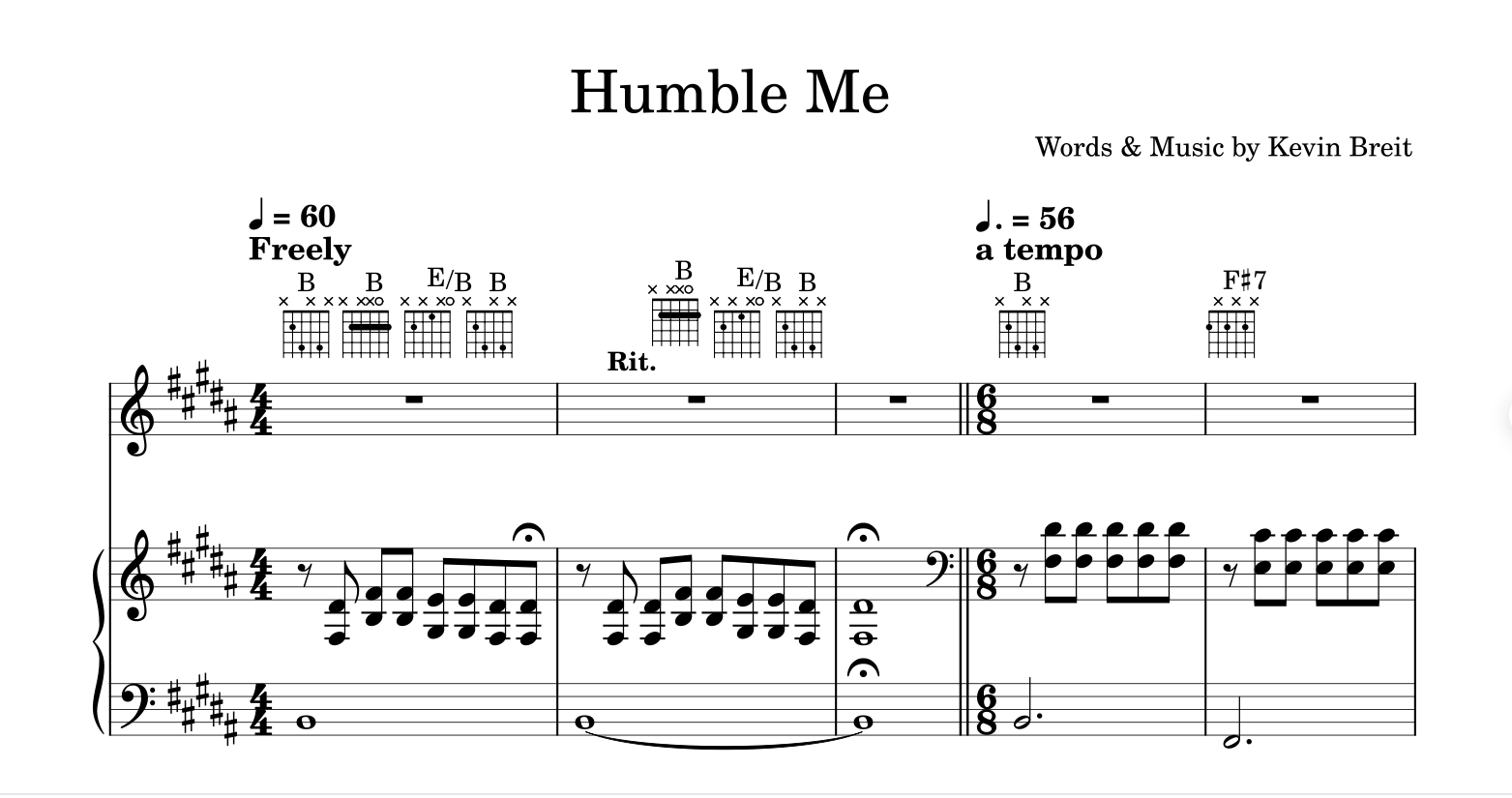
“Humble Me” is a song from the album, “Feels Like Home,” released by Norah Jones in 2004. It was written by her bandmate and guitarist, Kevin Breit. The song tells the fictional, raw story of a woman stranded on the outskirts of town in a broken-down car with a sleeping baby in the backseat.
A little girl named Theresa.
Her mother is overwhelmed and desperate, the broken-down car symbolic of her spiritual exhaustion and perception of total defeat. She doesn’t know who to turn to and so begins pleading for forgiveness from both a higher power and an ex-partner, feeling that she must have done something terribly wrong to have landed in such a painful rock bottom.
It is ego death carried by a haunting rhythm generated by a pump organ and Norah’s gentle, lilting voice balancing the heaviness of the subject matter with a sound that guides its listener into vicarious surrender.
“You humble me, Lord.”
The physical drama strips away to reveal an unfiltered and deeply pure spiritual plea, so honest it drops the weight for a moment. The journey of life and motherhood was never meant to be travelled alone.
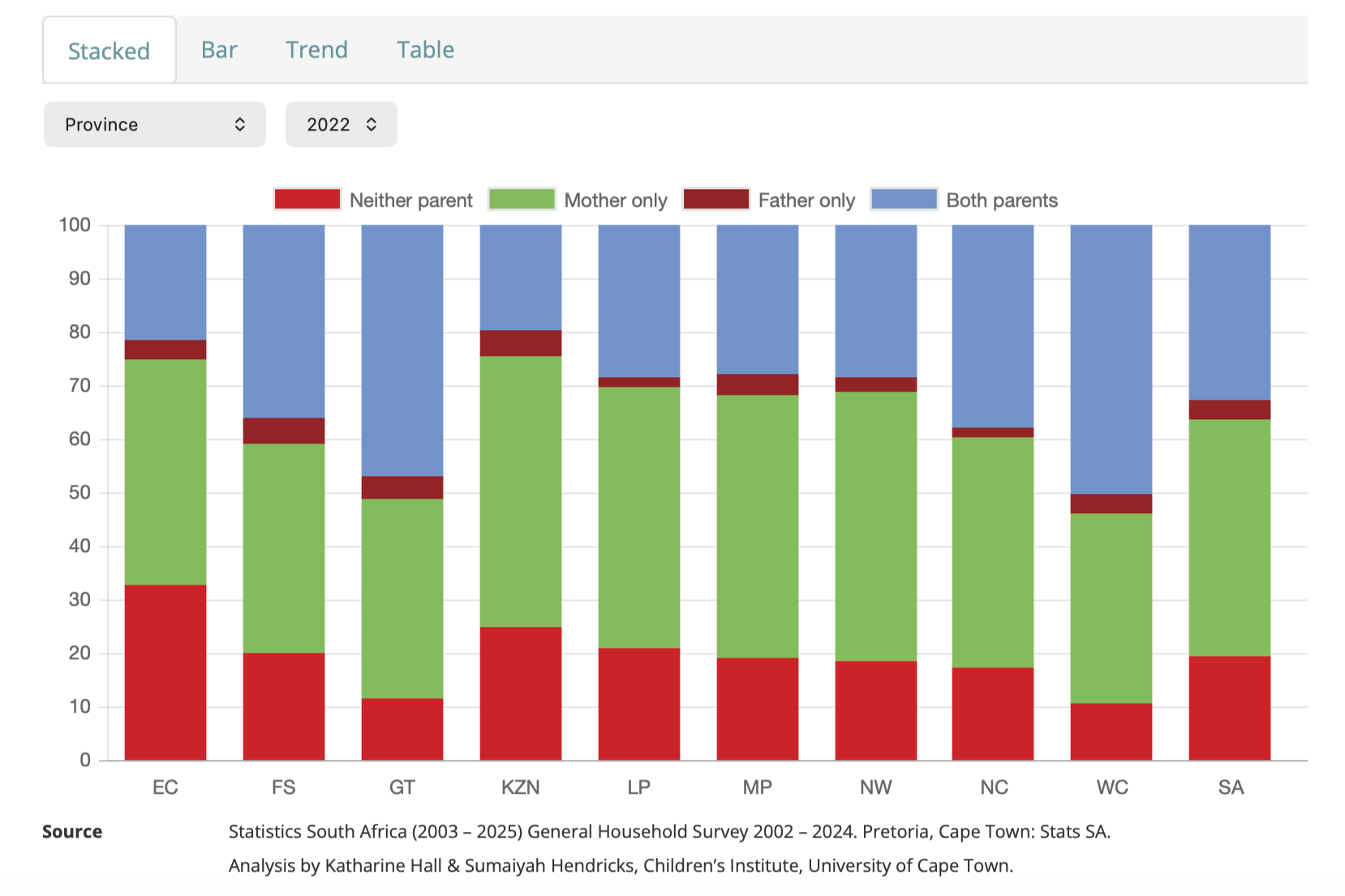
Referencing statistics from Children Count — a statistics-monitoring site facilitated by the University of Cape Town Health Sciences department — in 2022 only 33% of children in South Africa lived with both their biological parents in the same household. 44% — equating to 9.2 million children — lived with their mothers but not with their fathers, while 4% lived with their fathers and not their mothers.
These statistics are further weighted by wealth and income brackets. Children in the poorest 20% of households are the least likely to live with both parents, compared to 73% of children in the wealthiest 20% of households.
Returning to the song, after listening to it I became curious about the perspective of the child in the backseat. The image created by the song offers only a glimpse into their lives, depicted through a singular moment in time. But such an experience cannot be reduced to an isolated event detached from what came before it or the consequences it would later impose.
What of their daily living experiences? The ordinary days accumulating into a compounding emotional reality. The child whose internal world develops in response to the nervous system health of their primary caregiver.
What is Baby Theresa’s little nervous system learning about the world through the lens of a mother who is exhausted, overwhelmed and isolated?
There is something surreptitiously brutal about the emotional atmosphere surrounding the child. Knowing that long before we learn language and rationality, we learn love and relationship through what is modelled to us. Before memory becomes narrative, it embeds itself within us as sensation.
I wrote my song, “Processing Change,” through an inversed order of priority: sensation, narrative, memory — an attempt to backtrack and retrace the conditions that create a nervous system that believes those they love will always leave them.
“All this I’ve known since I was tall like a wildflower.
Dark like a watchtower.
Counting hours…”
The imagery depicted in “Processing Change” progresses the same symbolic view as Norah’s broken-down car denoting spiritual collapse.
“Tall like a wildflower” represents a child who is small and fragile, yet abundant, expansive, open and exposed to the rawness of life — beauty existing precisely through vulnerability.
“Dark like a watchtower” contrasts this image, ripe with connotations of freedom and softness, with one of constriction, anxiety and hypervigilance.
The child who grows into an adult whose nervous system has been organised around anticipating abandonment before it arrives, experiences love not as safety, but as the temporary suspension of loss.
Here is where the connection to Rilke’s ‘Book of Hours’ becomes paramount: acceptance interrupts repetition.
The song becomes a place where the pattern is finally witnessed consciously instead of merely reenacted unconsciously.
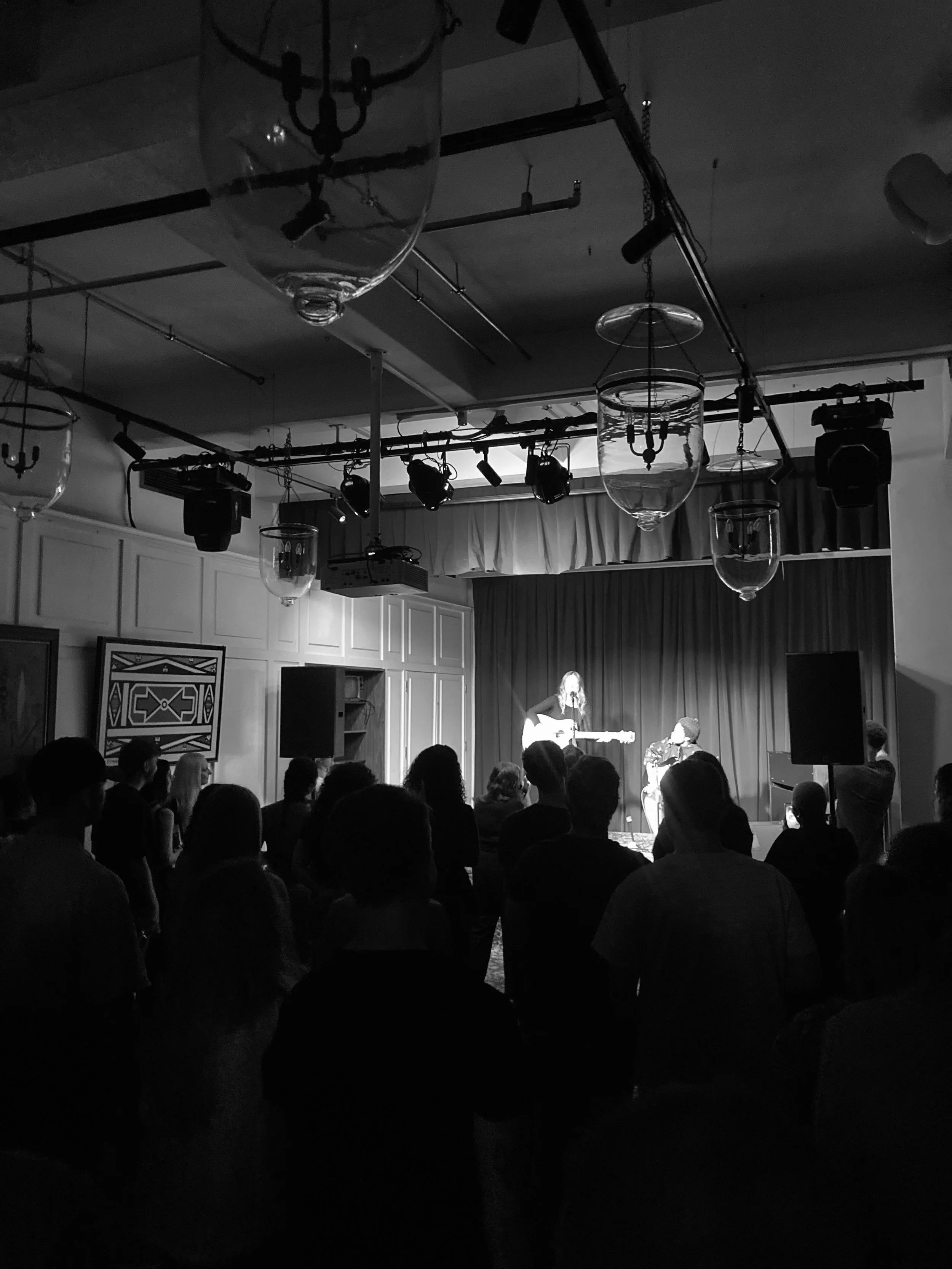
The first time I sang it, the emotional pain that surfaced was so intense I needed an entire bottle of wine to anaesthetise it. Equally, when I first shared it publicly, I was so overwhelmed by the honesty and vulnerability of it that I genuinely thought I was dying.
But then I sang it over and over again.
And gradually, the wound connected to the song lost its charge. The story integrated into my psyche, becoming a medicine, becoming a simple fact of life. Something that just is.
With the space created by the release of that emotional charge, the real power of music and poetry became evident in their ability to make visible the invisible architecture shaping our lives.
We commit the thoughts and feelings to the page repeatedly, rendering the pattern familiar. And in acknowledging it as such, something opens:
A choice appears where before there had only been impulse. This is how change begins.
Maybe Baby Theresa could inherit a different car.
This lyric video accompanies the original raw (voice note) recording from the day I wrote this song. I love it for this rawness. But there is also a professionally recorded demo version of it available on Soundcloud.
